

Myth 1: “I’m not good enough”
It’s an easy one to land on — that you’re not ready yet, or you need to arrive already skiing at a high level, confident everywhere, technically sharp, and fully in control across all conditions.
Reality: Our ski improvement camps are designed to be progressive and accessible, whatever level you start at. They aren’t about turning up as the finished article — and that doesn’t really exist in skiing anyway. If you’re comfortable on your skis and open to stepping into steeper or more variable snow, you’re already in the right zone. You don’t need to be an expert — that’s the whole point of being there.
That said, not all camps sit at the same level. You might find backcountry or freestyle camps that require more advanced skills from the get-go. The key is finding the right fit, rather than assuming you’re not ready for any of it.
What we do: We help intermediate through to expert riders sharpen their skills and ride with more flow. It’s about building confidence where it counts — in steeps, bumps, off-piste, and mixed conditions. For advanced skiers, it’s less about learning from scratch and more about refining, adapting, and getting more out of the terrain you’re already riding.
The whole thing is built around progression. You’re not turning up finished — you’re turning up ready to move things forward, with the coaching and environment to make that happen.
Myth 2: “I’m too old”
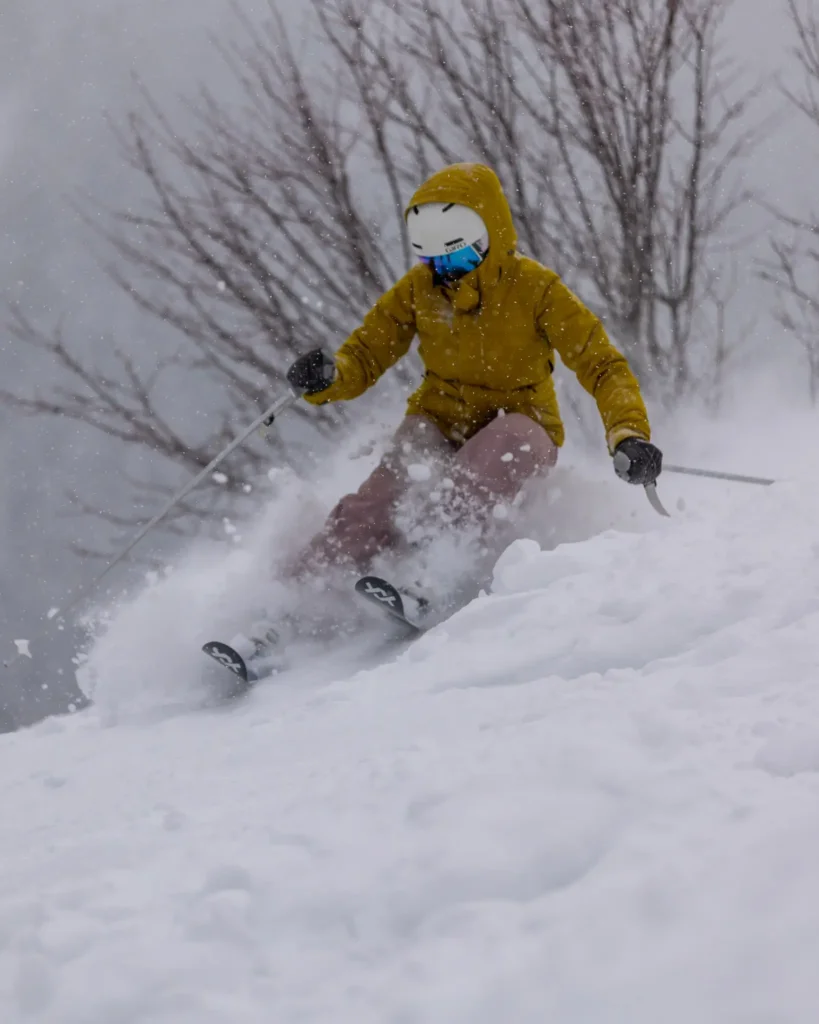
This one can have people ruling themselves out — the idea that ski camps are geared towards a younger crowd, or that there’s a window for this kind of experience that eventually closes.
Reality: You’re never too old to get better, go steeper, or drop in first. There’s no age limit on adventure — or chasing your passion.
For us at Nonstop, our all-mountain focused camps aren’t defined by age in the way people may expect. What you tend to find is a broad mix — riders in their 30s, 40s, 50s, 60s — all arriving with different backgrounds but a shared intention to improve and make the most of their time in the mountains.
What matters isn’t where you sit on a scale, it’s how you approach it. If you’re open to learning, willing to be challenged, and have a progressive outlook on your skiing, you’ll fit right in. That mindset carries far more weight than age ever does.
You’ll always get slight variations depending on the focus — freestyle-focused weeks tend to draw a younger crowd — but for all-mountain progression, the scope is broad.
What we do: We build groups around ability and goals, which naturally creates a mix of riders aligned in how they want to push themselves and spend their time on snow. The result is a shared progression experience that works across ages, without it ever feeling segmented or forced.
It might seem a little overwhelming to book it on your own. Maybe your not so sure about your ski ability. But there’s every type of person here, every type of skier here, and because we all love the same thing, we all get on so well. "
Myth 3: “I need someone to go with”
It’s an easy assumption to make — that you’d need to come with a friend, or have a pal lined up before committing.
Reality: No mates? No problem. You’ll find yours on the mountain.
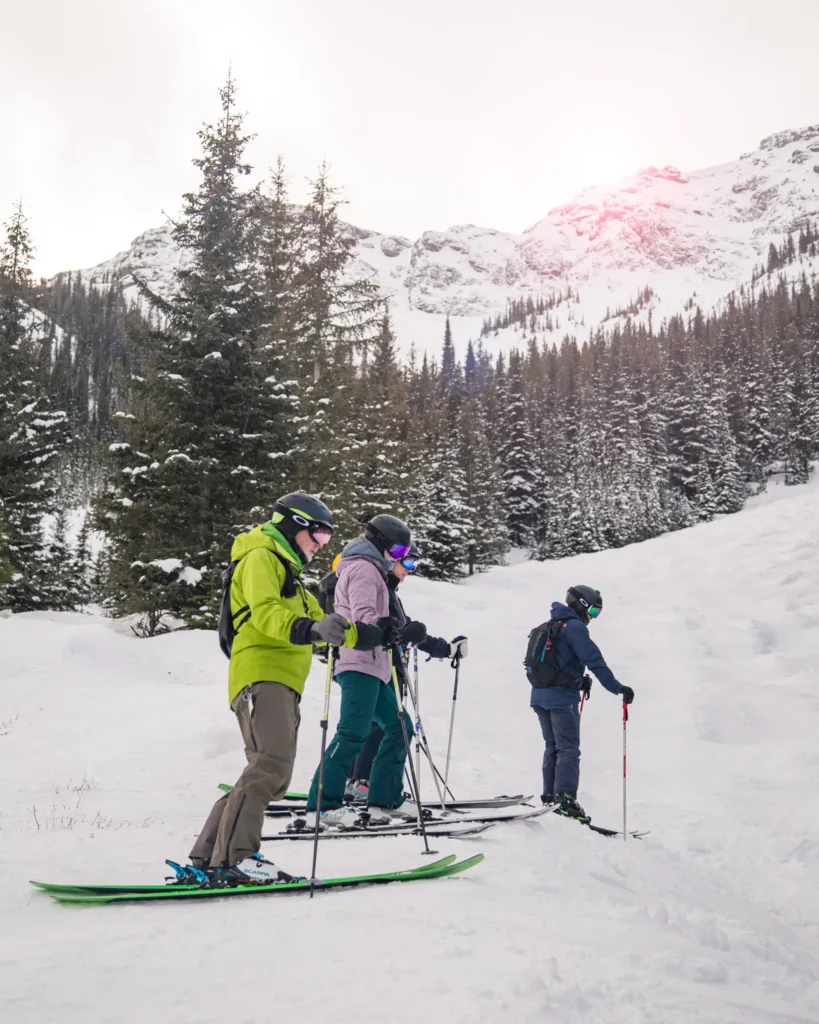
A huge proportion of riders who join us come out solo — and leave with a whole crew of new friends. Our ski camps naturally attract solo travellers — people who want to focus on their riding, try something new, or just don’t want to wait around for someone else to commit. It might feel like a leap beforehand, but once the week gets going, that feeling tends to fade pretty quickly.
From day one, you’re part of a welcoming, like-minded community that rides together, laughs together, and shares the whole mountain experience from first lift to last drink.
On snow, you’re riding in small groups and working towards similar goals, which naturally builds connection. Off snow, that opens out into a wider group dynamic — the full cohort coming together, whether that’s for après, dinners, or other events.
What we do: We structure groups around ability and progression goals, which means you’re surrounded by people who are on a similar wavelength from the start. Add in a full week of riding together, and the social side tends to take care of itself — without ever needing to be the focus.
Frankly I didn’t have anyone to ski with, so I thought ‘well, I want to go skiing, so I’m going to go on my own’, and I will absolutely be signing up again. "
Myth 4: “I’ll be left behind if I’m not super fit”
It’s easy to picture camps as physically relentless — long days, no let-up, and only really suited to people already operating at a high level.
Reality: You don’t need to be an athlete, but you do need a solid base level of fitness. If you’re active, generally fit, and able to handle full days on the mountain, you’ll be in a good place to make the most of it. That includes being ready to ski consistently, recover well, and stay switched on.
It’s less about peak condition and more about durability — being able to keep going as the terrain, conditions, and intensity build. And if you put a bit of fitness prep in beforehand, you’ll feel the benefit straight away. We’ve broken that down in more detail in our pre-season fitness guide.
What we do: We group riders by ability and pace, which keeps things aligned from the start. Coaches adjust the intensity depending on the conditions, the terrain, and the group vibe, so you’re being pushed in the right places without it becoming a grind.
After a few days, most riders settle into the rhythm — and by the end, you’re not just skiing better, you’re stronger, more efficient, and more comfortable staying out for longer.
Myth 5: “It’s basically a ski school week”
This is one can put people off before they’ve really looked into it — the idea of being stuck in a group, running drills all day, and not really getting to ski the mountain properly.
Reality: Coaching is a big part of the experience, but it doesn’t sit in isolation and it doesn’t feel like traditional ski school. It’s more fluid and collaborative than that — blending drills, skills, mileage, and exploration. It’s about working on something, then heading out into bumps, steeps, or off-piste lines and applying it in real terrain.
And you’re not just working on technique in a vacuum — you’re being guided into the best terrain for your level, shown new parts of the mountain, and building the confidence to ski them properly. This combination is where things start to click.
What we do: We build everything around that mix — guided coaching, real terrain, and enough space to explore it properly. Small groups mean you’re involved, adapting, and progressing as you go.
And beyond the skiing, it’s a full experience. The group dynamic, the shared progression, the time off the mountain — whether that’s après, group dinners, or other mountain-based activities — all feed into it.
Myth 6: “I won’t get any free time”
From the outside, it can look pretty full-on — a lot packed in, with not much room to step away or just ski on your own terms.
Reality: Whatever the focus, ski and ride camps are designed to make the most of your time in the mountains, so they are intentionally full. You’re there to ride, improve, and get as much out of it as possible.
How that plays out depends on the length of the camp. Shorter formats tend to run with a tighter rhythm, while longer camps naturally open things up — with space to freeride, take a day to explore, or get involved in other mountain experiences.
What we do: We shape the experience so you’re getting a lot out of your time on snow, without it feeling boxed in. There’s a natural flow to it — coaching with purpose, and time around it to reset, explore, or just enjoy being there. Evenings follow a similar rhythm, with a mix of shared events and space to do your own thing.
It ends up feeling full, but not restrictive.
Myth 7: “It’s only about the skiing”
It’s easy to see it as purely a skiing experience — focused on technique, terrain, and progression, without much beyond that.
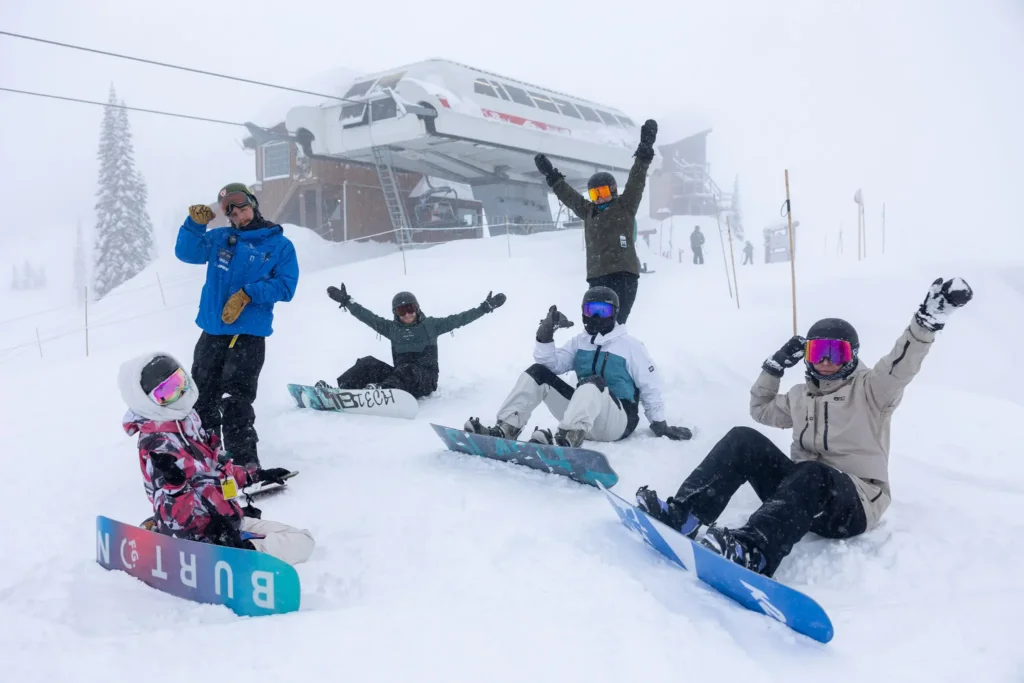
Reality: The skiing is the reason people come, but it’s not what defines the experience. What tends to stay with people is everything around it — the group dynamic, the shared progression, and the rhythm that builds as you spend time in the mountains together.
There’s something about being in that environment — riding with the like-minded people, pushing through similar challenges, and seeing things click at different moments — that gives it a different kind of energy. Your skiing improves, but so does the overall experience of being in the mountains.
What we do: We build camps around that combination. Pro coaching and all-terrain skiing sit at the core, but they’re part of something wider — a shared experience with like-minded people, shaped as much by the time off the mountain as the time on it.
It’s not just about how you ski at the end, it’s about the place, the people, the friendships — and that’s usually what people remember.
I loved the concept — and was totally surprised how the "social" experience added to the overall trip. "
Ready to Get Involved?
You in? Explore our ski improvement camps or snowboard improvement camps and see what fits. Whether you’re focused on all-mountain progression, technical development, or stepping into the backcountry, every camp is built around guided coaching and a good group of people to share it with.